We recommend based on your activity, market access needs, and budget.
Dubai Free zone
Dubai Mainland
Dubai Offshore
Dubai's has 40+ free zones but 90% of new registrations land in four
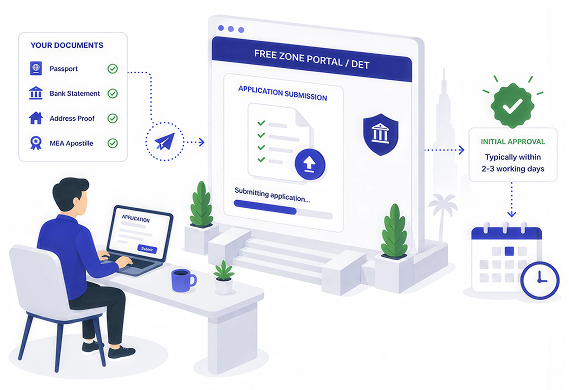
Passport Copy
Address proof
3-month bank statement
MEA apostille
*For Indian founders
From document collection to application submission-we've got it covered.
Free zone vs DET mainland vs Offshore
Find the Dubai structure that's right for you
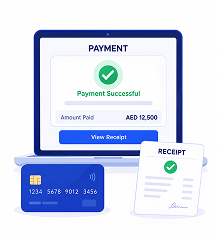
Government fees paid online
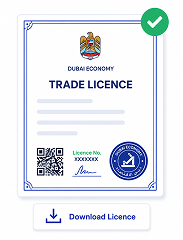
Trade license issued digitally
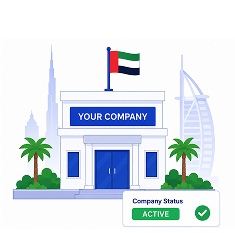
Your Dubai company live & operational
Starting from AED 12,900*
Types of Dubai business licenses
Explore the six most common licence types
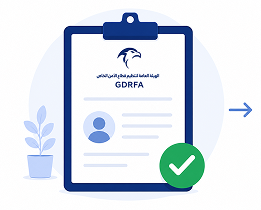
Investor visa via GDRFA
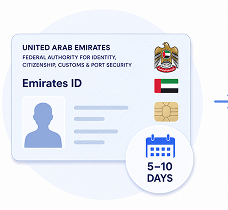
Emirates ID in 5-10 days
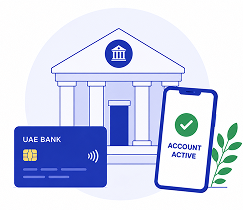
UAE bank account within 2-4 weeks of licence issue
Get it in just 5 days
Why is the world betting big on Dubai?
#1
Global hub for Greenfield FDI
200+
Nationalities building businesses
71K+
New companies in 2025
18K+
Indian businesses registered in 2025
200+
Passengers through DXB
+18%
Business community growth
2,000+ happy clients. One trusted partner ⭐
We had a trade name conflict with an existing DET business. myHQ suggested three alternatives the same day and we were approved within 48 hours. The process I thought would take weeks took 3 days.
PS
Priya Singh
Founder of Management Consulting Firm
Setting up in other UAE Emirates
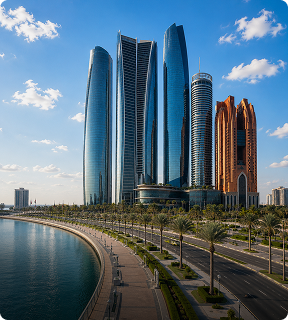
Abu Dhabi
Starts at AED 14999
Best for: Government-adjacent businesses, energy sector, financial services
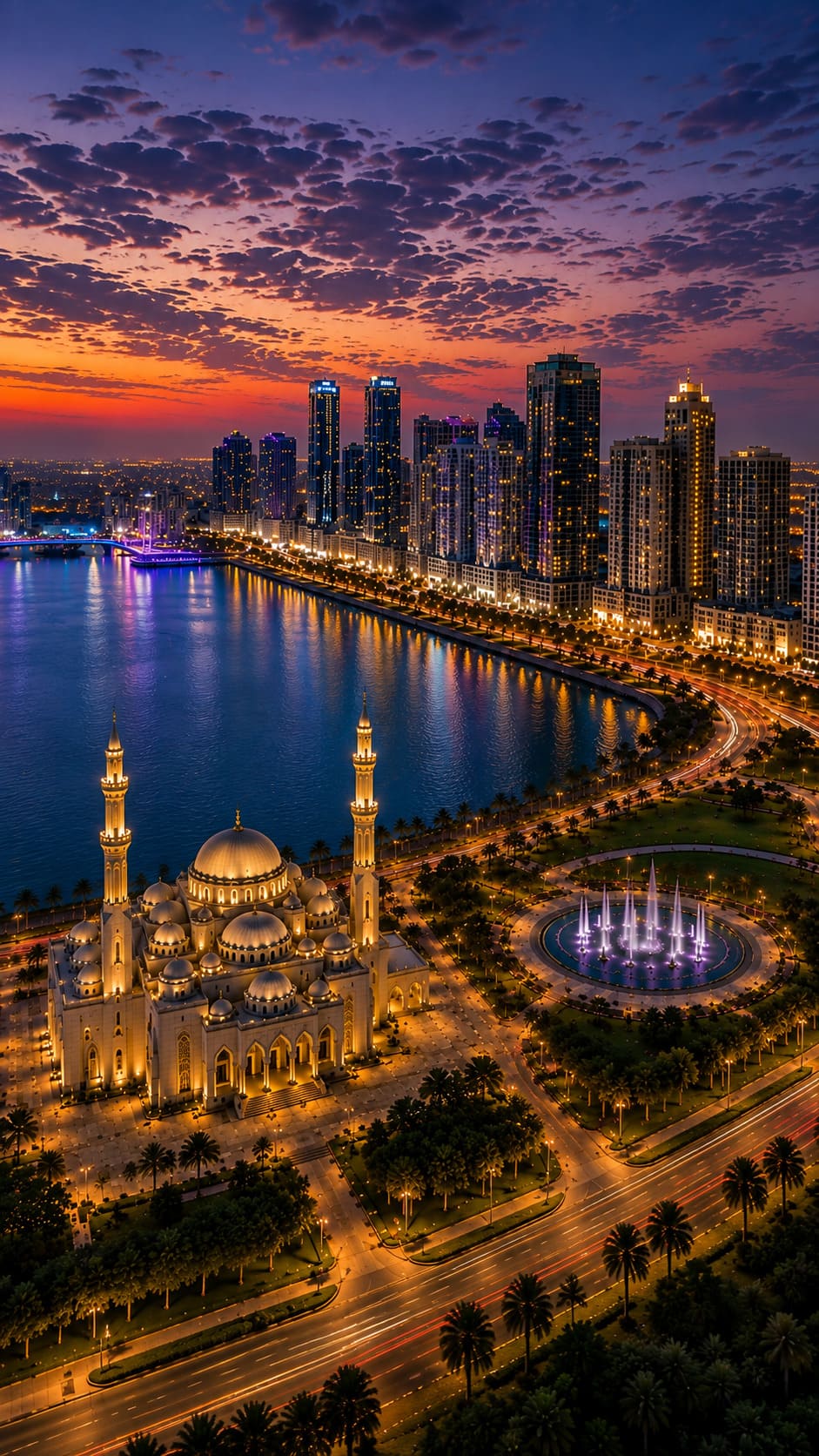
Sharjah
Starts at AED 14999
Best for: Manufacturing, logistics, and cost-sensitive early-stage businesses
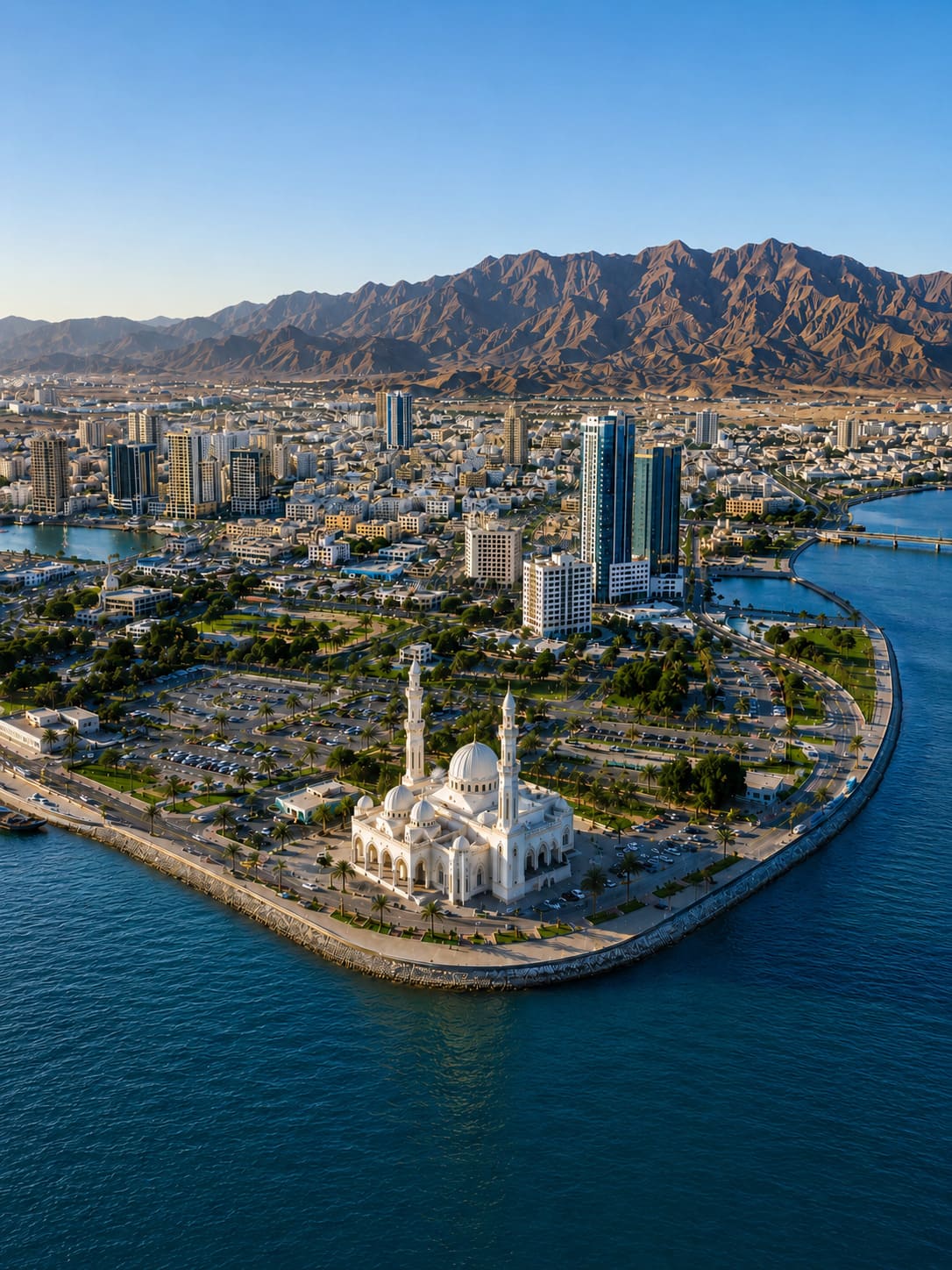
Ras Al-Khaimah
Starts at AED 14999
Best for: Industrial units, trading companies, and low-cost free zone setups
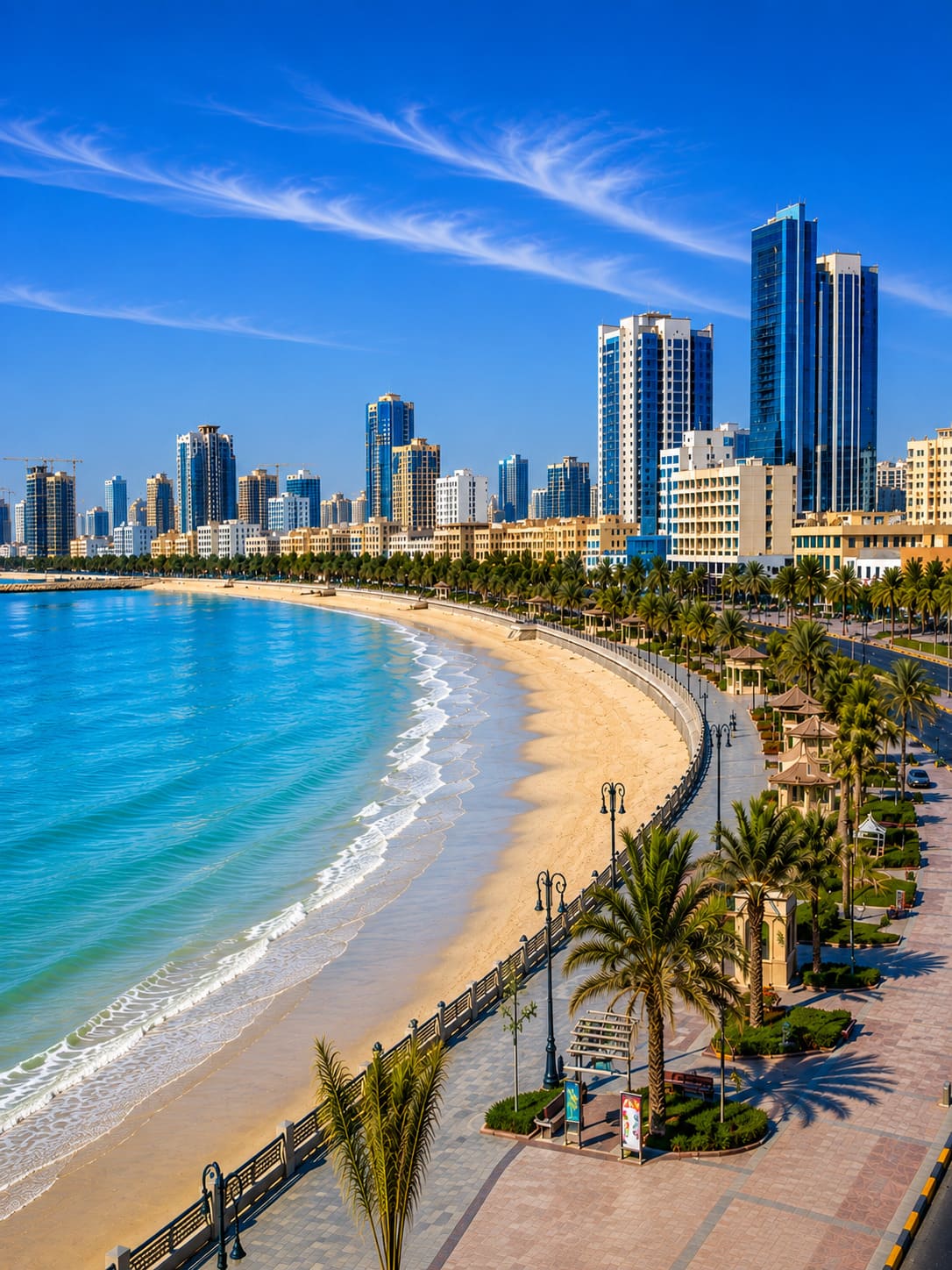
Ajman
Starts at AED 14999
Best for: SMEs, e-commerce, and first-time founders on a lean budget
Starts at AED 14999
Best for: Government-adjacent businesses, energy sector, financial services
Starts at AED 14999
Best for: Manufacturing, logistics, and cost-sensitive early-stage businesses
Starts at AED 14999
Best for: Industrial units, trading companies, and low-cost free zone setups
Starts at AED 14999
Best for: SMEs, e-commerce, and first-time founders on a lean budget
Why choose myHQ by ANAROCK?
2000+
Companies Registered
95%+
Approval Rate
0%
Service Fee
1 Hour
Response Time
India x UAE
Approval Support
Backed by ANAROCK - India’s Largest Real Estate Company
Choose the right Dubai setup with confidence
Best forCommodities, Crypto (VARA), Trading, International BusinessWhen to AvoidIf you need a physical retail presence or DED activities
Best forFunds, financial advisory firms, family officesWhen to AvoidIf you are setting up a low-cost trading or e-commerce company
Best forConsultants, freelancers, early-stage foundersWhen to AvoidIf you need a large visa quota or warehousing
Best forMulti-activity licences and fully remote setupsWhen to AvoidIf you need a DIFC-regulated financial licence
Make the right decision for your Dubai setup
Get expert guidance choosing the best option as per your requirements
Commercial/Trading LicenseBuy and sell goods, physical or digital
Best for:Trading • E-commerce • Import/export
Industrial/Manufacturing LicenseManufacture and assemble physical goods
Best for:Companies needing warehouse or factory space
VARA Virtual Asset LicenseBuild a crypto exchange & digital asset custody
Best for:Crypto or digital asset business
Professional LicenseSell services digitally, invoice clients anywhere
Best for:Consulting • IT • Creative • Legal companies
Tourism License (DTCM)Offer vacation rental and services in Dubai
Best for:Travel agencies • Tour operators • Hotels • Attractions
DIFC Financial Services LicenseManage investments & offer financial advisory service
Best for:Funds • Financial advisory firms • family offices
Make the right decision for your Dubai setup
Get expert guidance choosing the best option as per your requirements
Dubai Free zone Most Popular
Launch quickly with a globally recognized, business-friendly setup.
Dubai Mainland Full Access
Operate freely across the UAE with maximum business flexibility.
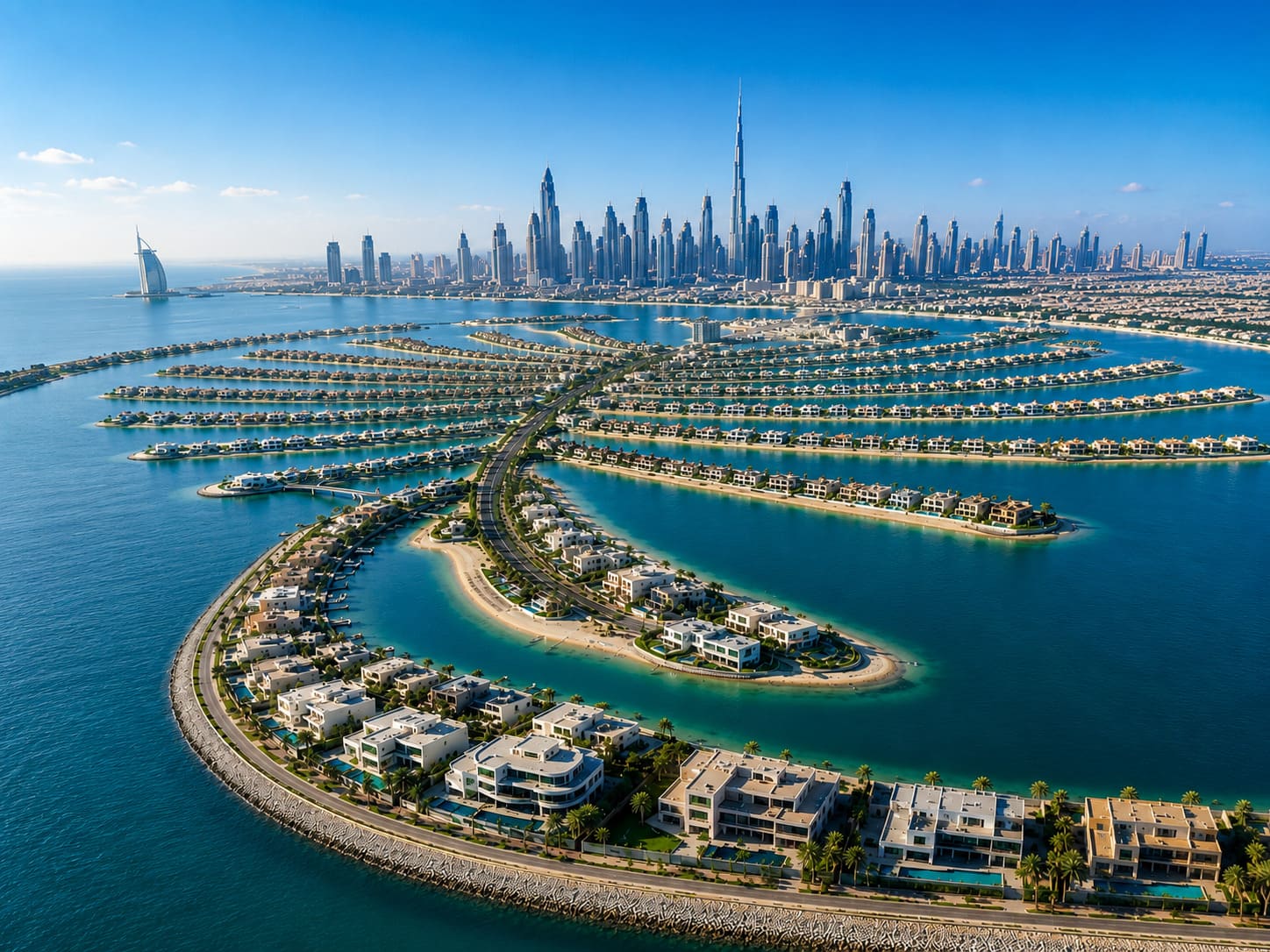
Dubai Offshore Holding only
Own global assets and investments through a cost-efficient corporate structure.
Pricing
Start as AED 12,900Start as AED 24,900Start as AED 12,900
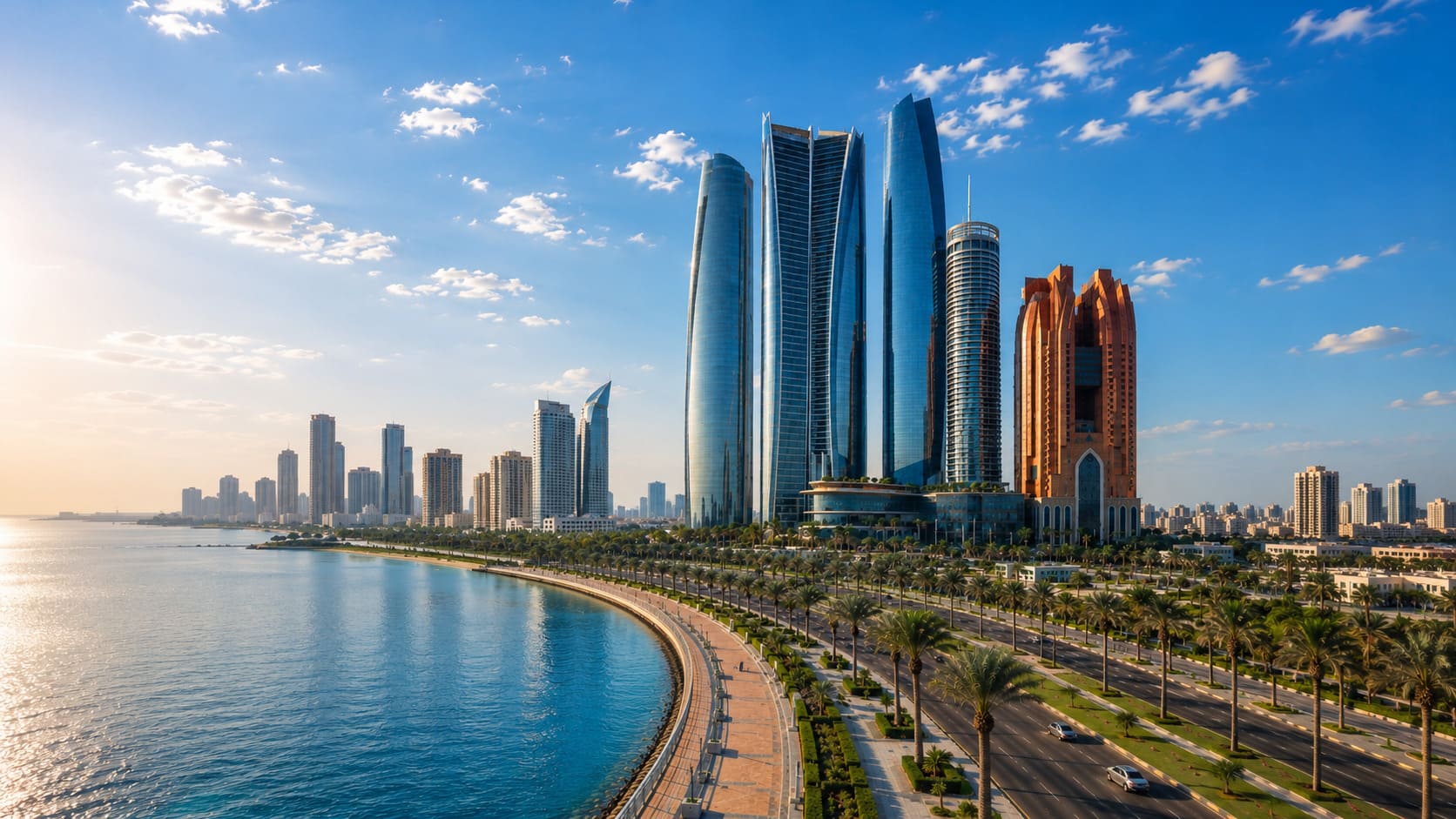
Dubai is UAE’s most active emirate for company formation. In 2024, over 50,000 new businesses registered across its 40+ free zones and DET mainland licences. For international founders, especially from India, the UK, and South Asia Dubai combines jurisdiction recognition, regulatory infrastructure, and ecosystem maturity unmatched elsewhere in the UAE.
This guide covers Dubai company formation structures, authorities, costs, processes, and compliance obligations for 2025, including cost and structural comparisons against other UAE emirates – Abu Dhabi, Sharjah, and Ras Al Khaimah.
Dubai Company Formation : Structures Available in 2026
Dubai Free Zone Company
For many international founders, a Dubai free zone setup is the simplest starting point. It offers 100% foreign ownership and may qualify for 0% corporate tax on qualifying income when all Federal Tax Authority conditions are met. Free zone companies can serve international customers and other free zone entities. Eligible businesses that need mainland access may use a DET branch licence, activity permit or authorised distributor, depending on the activity.
Dubai has 40+ free zones, each with its own authority, activity list and pricing. The most commonly chosen for 2026 registrations:
DMCC (Dubai Multi Commodities Centre): The world’s largest commodity free zone by membership. Best suited to commodities, fintech, crypto via VARA, professional services and holding structures.
DIFC (Dubai International Financial Centre): The only UAE free zone with English common law courts and DFSA regulation. Preferred by fund managers, family offices and regulated fintech.
IFZA (International Free Zone Authority): Low entry cost and a broad activity list, with remote setup available. Popular with consultants and service businesses.
Meydan Free Zone: Startup-friendly zone in central Dubai, strong for digital businesses, e-commerce and solopreneurs.
DAFZA (Dubai Airport Free Zone Authority): At Dubai International Airport. Preferred by logistics, aviation and e-commerce firms.
JAFZA (Jebel Ali Free Zone Authority): The Middle East’s largest industrial free zone, next to Jebel Ali Port. Built for heavy trading, manufacturing and import/export.
For a zone-by-zone comparison of activity lists, visa allocation, processing times and full cost breakdowns, see our guide to choosing a Dubai free zone.
Dubai DET Mainland Company
DET (Dubai Economy & Tourism), formerly the Dubai Department of Economic Development (DED), is Dubai’s mainland licensing authority. A DET mainland licence lets you operate anywhere in the UAE, sell directly to UAE customers, bid on government contracts and open retail locations.
Since the UAE liberalised ownership laws in 2021, DET mainland companies can be 100% foreign-owned for most commercial activities. Some regulated activities (legal services, media, real estate brokerage) may still need a UAE national partner confirm with myHQ.
DET mainland company formation cost in 2026:
Initial approval fee: AED 620
Trade licence fee: AED 8,500 – 25,000/year, based on activity category and count
Local service agent (if required): AED 2,000 – 5,000/year
Total DET mainland package: AED 18,000 – 40,000/year all-in
Note: DET mainland licences run 20–30% higher than equivalent Abu Dhabi (ADDED) or Ras Al Khaimah licences, often called the “Dubai premium.” DET is the only option if you specifically need a Dubai mainland address. Otherwise Abu Dhabi or RAK mainland is cheaper, and you can seehow licence costs compare across the UAE emiratesbefore deciding.
DET mainland setup takes 7–14 business days from clean document submission. Activities needing sector-specific approvals in healthcare, education or real estate can take 3–6 weeks for review by the Dubai Health Authority (DHA), the Knowledge and Human Development Authority (KHDA) or the Real Estate Regulatory Agency (RERA).
Dubai Offshore Company
Dubai offshore companies register via JAFZA Offshore, the Jebel Ali Free Zone Authority Offshore Registry. They cannot conduct business inside the UAE, employ staff on UAE visas or lease UAE office space. They are used mainly for holding structures, intellectual property ownership, international invoicing and asset protection.
JAFZA Offshore cost: AED 8,000 – 14,000/year. Setup time: 3 – 5 business days. No physical office required. No UAE residency visa attached.
Note: RAK ICC (Ras Al Khaimah International Corporate Centre) is a common, slightly cheaper alternative (AED 6,500–10,000/year) for similar holding purposes, though not Dubai-based. JAFZA Offshore suits founders who need a “Dubai”/“UAE” address for client perception.
Dubai Trade Licence: Types, Cost and Renewal
A Dubai trade licence is the legal document that authorises a company to carry out specific business activities. Without one you cannot open a corporate bank account, apply for visas or sign commercial contracts. The licence is issued either by DET for mainland companies or by the relevant free zone authority, and the activities listed on it define exactly what the business is permitted to do.
The four Dubai licence categories:
Professional licence: for service-based businesses that sell expertise rather than goods. Consultants, IT services, marketing agencies, accountants and designers fall here. This is the most common category for free zone companies.
Commercial licence: for buying, selling and distributing goods. Trading companies, import/export businesses and general trading operations need this. General trading licences, which allow an unrestricted range of goods, cost more than activity-specific commercial licences.
Industrial licence: for manufacturing, processing and assembly. These require physical premises and usually sit in an industrial free zone such as JAFZA or on DET mainland with the appropriate facility.
E-commerce licence: for online retail and marketplace operations. Several Dubai free zones now issue these as a distinct category rather than treating online trade as a commercial activity.
Dubai trade licence cost depends on the category, the number of activities and the issuing authority. Free zone licences run AED 7,500–10,000 a year in IFZA and Meydan, AED 10,500–20,000 in DMCC, and higher again in DIFC. DET mainland licences run AED 8,500–25,000 a year. The licence fee is only part of the total: registration, office or flexi-desk, establishment card and visa costs sit on top, which is why the Year 1 figure is always higher than the licence alone.
Dubai trade licence renewal happens annually with the authority that issued it. Free zone renewals run through the zone’s own portal and need the current licence, a valid lease or flexi-desk agreement, and the renewal fee. DET mainland renewals additionally require a valid Ejari tenancy registration before the licence will reissue. Renewal is usually cheaper than first-year setup, since registration and trade name fees do not repeat, but late renewal attracts penalties that escalate monthly. Most founders start the process 30 days before expiry.
Activity amendments, adding a new activity or changing an existing one, are handled at renewal or as a standalone application. Adding activities outside your current category may require moving to a different licence type.
Dubai Business Setup Cost and Licence Fees
Understanding the all-in cost of Dubai company formation means separating licence cost from ancillary costs. Figures below are indicative ranges across common Dubai structures and are reviewed each quarter.
Indian founders should budget for these India-side costs in addition to UAE fees:
Apostille from India’s Ministry of External Affairs (MEA): AED 1,500–3,000 equivalent, roughly INR 4,500–9,000 via an authorised apostille service
FEMA ODI declaration filing: AED 300–800 equivalent via a chartered accountant or service provider
Translation charges, if required: AED 500–1,500 for non-English documents
myHQ provides all-in written quotes covering UAE setup fees plus India-side apostille and FEMA costs. Most Indian founders are quoted AED 16,000–22,000 for a fully operational IFZA or Meydan company, including one investor visa, bank account assistance and FEMA filing..
Dubai Free Zone vs DET Mainland vs Offshore : Decision Guide
The choice between free zone, DET mainland and offshore is the most important structural decision you will make, because changing it later means forming a new entity.
Choose Dubai free zone if:
Your customers are primarily outside the UAE (international clients, export-led)
You are a consultant, IT professional, digital services provider, or knowledge worker
You want lower cost and faster setup
You need a VARA licence for crypto/digital assets
You want 0% tax on qualifying income without mainland tax-planning complexity
You don’t need a retail shop or direct sales to UAE consumers
Choose DET mainland if:
You need to sell directly to UAE businesses or consumers without a distributor
You are opening a physical retail location, restaurant, clinic, or hotel in Dubai
You need to bid on UAE government contracts
Your activities require sector-specific Dubai approval (real estate brokerage via RERA, healthcare via DHA, education via KHDA)
You’re partnering with a UAE company that requires a DED-recognised entity
Choose JAFZA offshore (or RAK ICC) if:
You need a holding structure for assets, IP, or investments
You invoice internationally without needing UAE banking tied to physical operations
You want the lowest-cost annual maintenance structure
You have no employees or physical operations in the UAE
How to Start a Business in Dubai: Company Registration Step by Step
Free Zone Company Registration in Dubai
Activity selection and free zone matching: choose from IFZA’s 1,750+ activities, DMCC’s 600+ categories, or DAFZA/JAFZA’s industrial and trading lists. Activity choice determines eligible free zones.
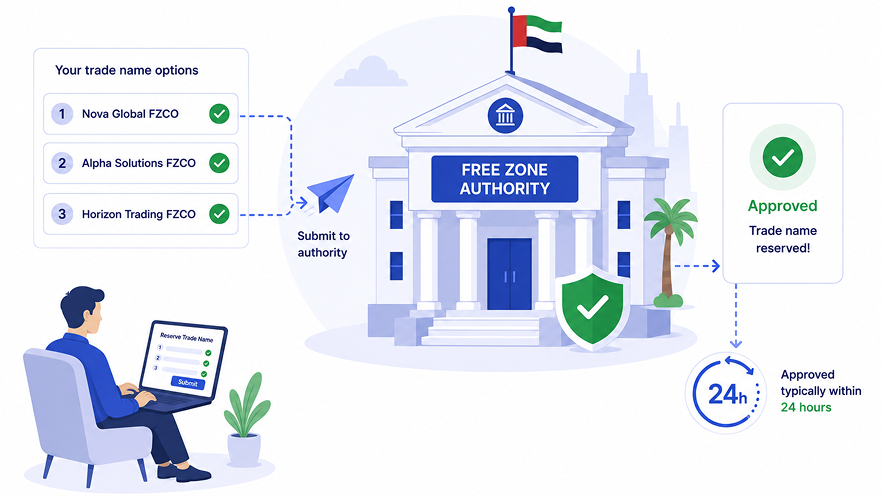
Trade name reservation: submit 3 name options via the relevant portal (IFZA Portal, DMCC Business Centre, Meydan Portal). Approval typically takes 1–2 business days.
Document preparation and apostille: required: valid passport copy, recent bank statement (last 3 months), proof of address; Indian founders also need passport photos, Indian address proof, and MEA apostille on notarised documents. Apostille is a legal requirement, not optional.
Application submission: submitted online via the free zone portal; myHQ manages this end-to-end, including uploads, form completion, and fee payment.
Initial approval and fee payment: authority review takes 1–3 business days; government fee paid online (IFZA: AED 7,500–10,000; DMCC: AED 10,500–20,000).
Licence issuance: certificate issued digitally, with a physical copy available for collection or courier. Company formation is legally complete.
Investor/employment visa application: via GDRFA or ICP portal, covering entry permit, status change, medical test, and Emirates ID. Total processing: 2–3 weeks.
UAE bank account opening: applications go to Emirates NBD, Mashreq, ADCB, or WIO Bank; most accounts activate in 2–4 weeks. myHQ provides introduction letters and manages documentation.
DET Mainland Company Registration in Dubai
Activity selection: DET recognises commercial, professional, industrial, tourism (DTCM overlay), and specialised activities. Some need sector-specific pre-approval (DHA/healthcare, KHDA/education, RERA/real estate, RTA/transport).
Initial approval: submitted via the UAE Business Registration & Licensing (BRL) portal. DET fee: AED 620; approved in 1–3 business days for standard activities.
Memorandum of Association (MOA) drafting: required for LLCs; drafted and attested. If a local service agent is needed, the LSA agreement is signed and notarised.
Office lease and Ejari registration: DET mainland requires a physical office or registered address (minimum lease AED 1,500/year). Ejari registration must be active before final licence issuance.
Licence issuance: DET trade licence issued; MOHRE issues the establishment card for visa quota. Total timeline: 7–14 business days for standard activities.
Visa and bank account: same process as free zone; DET mainland may allow a higher visa quota based on office size.
Registering a Company in Dubai from India: What Indian Founders Must File
FEMA Compliance for Dubai Company Formation
Indian residents investing in a UAE company are making an Overseas Direct Investment (ODI) under India’s Foreign Exchange Management Act (FEMA), a legal requirement, not optional. Specifically:
ODI declaration: Before or at first investment, the resident must submit Form ODI to their Authorised Dealer (AD) bank, disclosing entity details, investment amount, and ownership percentage.
Annual Performance Report (APR): Each year, the investor files an APR with their AD bank, confirming operational status, financial performance, and any dividend remittances.
LRS compliance: If remitted under the Liberalised Remittance Scheme (up to USD 250,000/year), proper LRS documentation must be maintained.
Failure to file FEMA ODI declarations is a common, serious gap for Indian founders penalties include compounding interest plus potential prosecution. myHQ handles both UAE formation and FEMA ODI filing, a service most UAE-based agencies skip.
Indian Document Apostille for Dubai Company Registration
All Indian government documents for UAE registration need an MEA apostille notarisation alone is not enough. The distinction matters:
Notarisation: A notary public witnesses the signature. This is insufficient for UAE government submission.
Apostille: The MEA certifies documents as authentic for use in Hague Apostille Convention countries, which include the UAE this is the legal standard.
Documents requiring apostille for Dubai setup: passport (if using a notarised copy), power of attorney, board resolutions, certificates of incorporation for Indian parent companies.
MEA apostille processing time: 5–7 working days via authorised MEA e-Sanad or MEA-linked apostille centres across India.
Sending Setup Fees from India
Sending money from India to pay UAE free zone fees is permitted under LRS. Best practice: remit via the company’s bank account with the correct ODI/service-payment purpose code, and retain documentation for FEMA compliance. myHQ advises on the most efficient remittance method.
Why myHQ for Dubai Company Formation
myHQ by ANAROCK Group has guided 10,000+ companies through UAE business setup. Unlike UAE-based agencies covering only the Dubai side, myHQ handles the full India-to-Dubai engagement:
All Dubai structures: DET mainland, DMCC, DIFC, IFZA, Meydan, DAFZA, JAFZA, and JAFZA Offshore covered with no preferred-free-zone bias
India-side compliance: FEMA ODI declaration, RBI Annual Performance Report, LRS documentation handled in the same engagement as Dubai setup
Indian document apostille: MEA apostille coordination included, not left as “your problem to solve before we begin”
Post-setup support: Annual renewal, additional visas, activity amendments, branch setup, bank account refreshes ongoing relationship, not a one-time transaction
Response time: Dedicated Dubai specialist. 1-hour response guarantee on WhatsApp, phone, and email.
For Indian founders, UAE formation expertise and FEMA compliance knowledge sit in one team rather than two.
Dubai Company Setup – Extended FAQ
How much is a Dubai company licence per year?
Annual Dubai company licence costs range from AED 12,900/year (IFZA/Meydan professional or trading licence with one visa) to AED 120,000+/year (DIFC financial services licence). DMCC licences run AED 20,900–35,000/year; DET mainland licences run AED 18,000–40,000/year all-in, including office. The cheapest full corporate structure (licence + 1 investor visa + bank account) costs roughly AED 16,000–18,000 for Year 1.
How much does a Dubai trade licence cost?
A Dubai trade licence costs AED 7,500–10,000 per year in the lower-cost free zones such as IFZA and Meydan, AED 10,500–20,000 in DMCC, and AED 8,500–25,000 for a DET mainland licence depending on activity category. The licence fee is separate from registration, office and visa costs, so the full Year 1 figure is higher than the licence alone.
How do I renew a Dubai trade licence?
Dubai trade licences are renewed annually with the issuing authority. For free zone companies, renewal runs through the zone’s own portal and needs the existing licence, a valid lease or flexi-desk agreement, and payment of the renewal fee. DET mainland renewals additionally need a valid Ejari tenancy registration before the licence will reissue. Renewal is usually cheaper than first-year setup, since registration and name-approval fees do not repeat. Late renewal attracts penalties, so most founders start 30 days before expiry.
How do I register a company in Dubai from India?
Free zone companies can be registered from India without travelling. The founder selects activities and a free zone, reserves a trade name, gets Indian documents apostilled by the MEA, and submits the application through the zone’s portal. The licence is issued digitally, usually within 3–7 business days. One trip to Dubai is needed later to complete the investor visa medical and biometrics, typically 2–3 days. The company can then be run from India, and the licence stays valid regardless of where the founder lives, though visa holders must enter the UAE at least once every 180 days. Indian residents must also file an ODI declaration with their Authorised Dealer bank under FEMA.
Can a foreigner start a business in Dubai?
Yes. Foreign nationals can own 100% of a Dubai free zone company, and since the 2021 ownership reforms, 100% of a DET mainland company across most commercial activities. A small number of regulated activities still require a UAE national partner or service agent. There is no requirement to be a UAE resident before registering, and no minimum investment for most free zone structures.
What is DET in Dubai company formation?
DET (Dubai Economy & Tourism) is the rebranded Dubai Department of Economic Development (DED) the mainland commercial licensing authority for Dubai. It issues mainland trade licences for non-regulated business activities; “Dubai DED licence” and “DET licence” mean the same thing. DET is the sole mainland authority for commercial, professional, and industrial licences (free zones have their own authorities).
Is Dubai company registration better than Abu Dhabi?
Dubai and Abu Dhabi serve different founder needs. Dubai wins on international brand recognition, crypto (VARA), DIFC financial services, ecosystem density (DMCC, startup community), and DXB flight connectivity. Abu Dhabi wins on government-adjacent business, energy, ADGM financial services, lower mainland cost (ADDED vs DET), and ADIO investment incentives. Neither is categorically better it depends on your activities, target market, and budget.
What is the corporate tax rate for Dubai companies?
UAE corporate tax of 9% applies to profits above AED 375,000/year; profits up to that threshold are taxed at 0%. Free zone companies qualify for 0% tax on qualifying income – broadly, transactions outside the UAE or with other free zone entities. DET mainland companies pay 9% on Dubai-sourced profits above AED 375,000. Introduced in June 2023, the tax applies to all UAE entities on non-qualifying income, regardless of free zone status.
Can I get a UAE residence visa with a Dubai company licence?
Yes. A Dubai free zone or DET mainland company entitles founders and employees to apply for UAE residence visas (investor or employment). Visa count depends on the free zone or office size; IFZA and Meydan starter packages include 1 allocation, with extra visas at AED 3,500–5,500 each. Visas run 2–3 years, renewable, and underpin Emirates ID, UAE driving licence, and family sponsorship.
How do I open a UAE bank account for my Dubai company?
Bank account opening happens after the trade licence is issued. Common banks: Emirates NBD, Mashreq, ADCB, FAB, and WIO Bank (digital). Required documents: trade licence, MOA/AOA, passport copies, proof of address, company profile. Processing takes 2–4 weeks; banks may request an in-person meeting, which relationship managers at Emirates NBD and Mashreq can arrange. myHQ provides introduction letters to reduce onboarding friction. WIO Bank activates faster (1–2 weeks) and works well as a bridge account.
What is the minimum capital requirement for a Dubai company?
For most Dubai free zone companies (IFZA, Meydan, DMCC flexi packages), there’s no paid-up minimum in practice share capital is declared but not deposited. DMCC requires a AED 50,000 declaration, not physically deposited unless required. DIFC minimums vary by activity, set by the DFSA, typically USD 10,000–500,000. DET mainland LLCs have no minimum capital requirement for most activities since the 2021 Companies Law amendments.
Can I operate a Dubai company from India without living in Dubai?
Yes, with limitations. A Dubai free zone company can be run remotely, the licence stays valid regardless of where the founder lives, provided visa obligations are met (holders must enter the UAE at least once every 180 days). Founders who don’t need a residency visa face no physical-presence requirement at all. DET mainland companies are harder to run remotely, since some activities require a physical manager in Dubai.
What is the Dubai D33 Economic Agenda and how does it affect business setup?
D33 (Dubai Economic Agenda 2033) is Dubai’s strategy to double its economy by 2033 from USD 110 billion to USD 220 billion GDP. Key elements: USD 8.7 trillion in trade, 100 new FDI projects/year, and sector targets in digital economy, green energy, tourism, and finance. For founders, D33 means continued investment in free zone infrastructure, new incentives for tech and sustainability companies, and active startup promotion including the D33 Startup Programme’s grants, mentorship, and market access.





 License to registration
 Banking
 Visas
Visas






 +91 92666 87563
 Get it in just 5 days











 Dubai Free zone
 Most Popular
 Dubai Mainland
 Full Access
 Dubai Offshore
 Holding only
 Governed by Individual FZA
 No spams, your information is secure with us